What pan do I even use?
Every stage names its vessel, with an icon, plus acceptable substitutes.
Introducing Recipes 2.0
Most recipes assume you already know what a soffritto is, which pan to grab, and when "until fragrant" happens. Recipes 2.0 assumes nothing. It names every pan and tool before you start, shows each ingredient sitting in the bowl it belongs to, and gives you one clearly separated step at a time.
Built into CookbookPro. No separate app or extension.
Twenty extra minutes on the cutting board buys you a calm, unhurried cook.
Dice everything to the size of a matchstick head so the aromatics melt into the sauce.
Break the meats apart with your fingers so they brown evenly.
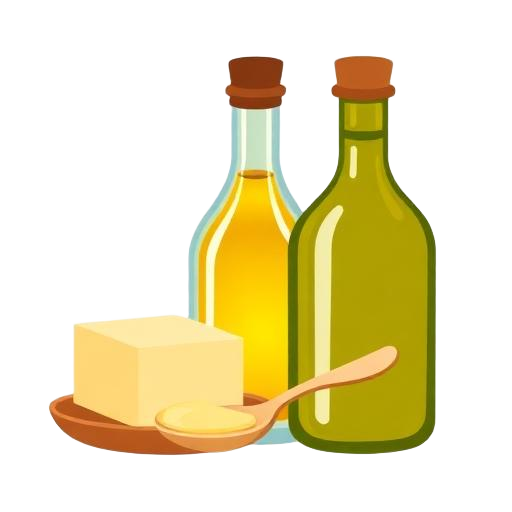
Keep the wine and milk separate because they go in at different moments.
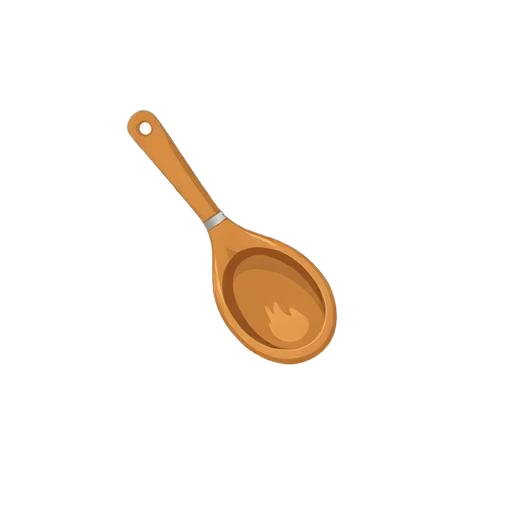
What pan do I even use?
Every stage names its vessel, with an icon, plus acceptable substitutes.
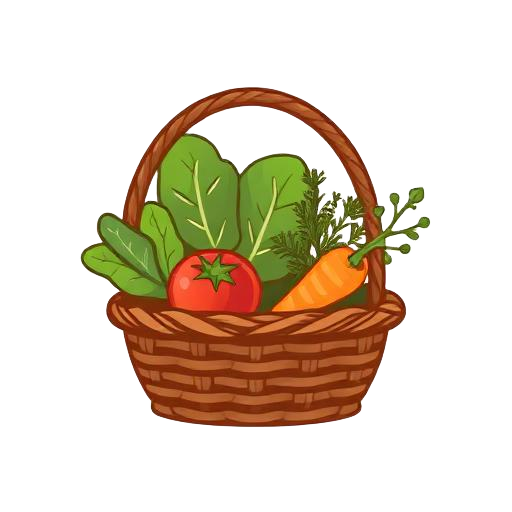
Which of these 18 ingredients go in now?
Ingredients live inside the bowl they belong to, not in one long list at the top.
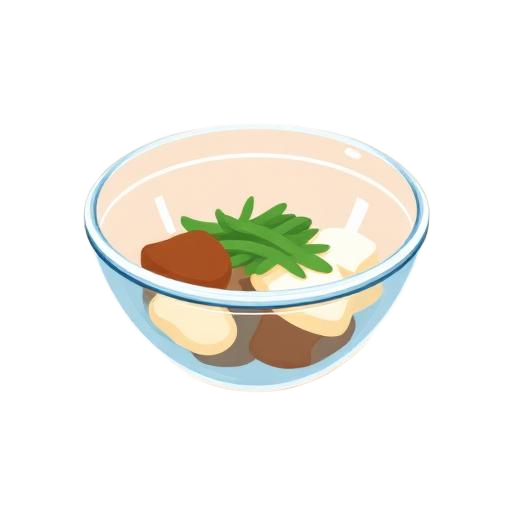
Where was I? I have sauce on my hands.
One stage on screen at a time, with a progress bar that keeps your place.
What makes it teachable
Pots, pans, sheet trays, a box grater, the one whisk you actually need. Set it out first, so you are never hunting for a colander with pasta boiling over.
Each vessel has an icon and a plain-language name. Ingredients carry category colors, and terms like fold, sear, or deglaze are tappable for a one-line explanation.
No wall-of-text paragraphs. Each action is its own card, tied to the exact bowl and ingredients it touches, with a hard line between what comes before and after.
Tap the timer built into the step instead of guessing at simmer for about 10 minutes. It keeps counting even when your screen sleeps.
Step 1, set up
Prep is laid out as real containers. Each one holds only the ingredients that go into it, so chopping has a purpose instead of feeling like homework.
Twenty extra minutes on the cutting board buys you a calm, unhurried cook.
Dice everything to the size of a matchstick head so the aromatics melt into the sauce.
Break the meats apart with your fingers so they brown evenly.
Keep the wine and milk separate because they go in at different moments.
Step 2, cook
The hot part of a recipe is where beginners lose the thread. Here the pot is named, the heat is stated, the timer is right there, and nothing else competes for attention.
Low and slow first, then a hot sear on the meat. Two temperatures, one pot.
Combines
Warm the oil over medium heat, cook the soffritto until soft, then add the meats and brown until no pink remains.
Pour in only the wine from the liquids bowl. Scrape the bottom of the pot and simmer until nearly evaporated.
Step 3, combine
When earlier bowls get poured into the pot, the step already knows what is inside it. Tap to peek if you lost track. No scrolling back up to re-read a list.
The milk goes in before the tomato for a silkier sauce.
Stir in the milk and simmer gently until mostly absorbed.
Bring to a bare simmer, cover partially and cook 45 to 90 minutes. Fish out the bay leaf at the end.
Write it once
Type your ingredients once, then drop each into the bowl or pan where it goes. Family recipes get the same clarity without you learning any new vocabulary.
The full ingredient list. Assign each one to a bowl or pan below.
Build the recipe in stages. Each stage can have several bowls or pans in parallel. You can continue an earlier vessel in a later step, or combine several together.
Stage 1
Suggested sides, drinks, or accompaniments (e.g. Lemonade).
Things the cook can add at the end (e.g. Sour cream).
Side by side
Every recipe on CookbookPro can be written in the classic 1.0 layout or the new 2.0 staged format. Pick per recipe, or switch anytime.
You can follow a recipe without already owning the instincts. The format tells you what to grab, what it should look like, and when to move on.
Hand them the phone. The stage they are on is the only thing on screen, so you are not translating a paragraph over your shoulder.
Grandma's shorthand becomes something a beginner can actually repeat, with the tools, timing, and order she never wrote down.
Open the Sunday Spaghetti Bolognese showcase and follow it start to finish in the real Recipes 2.0 view. No account needed to look.